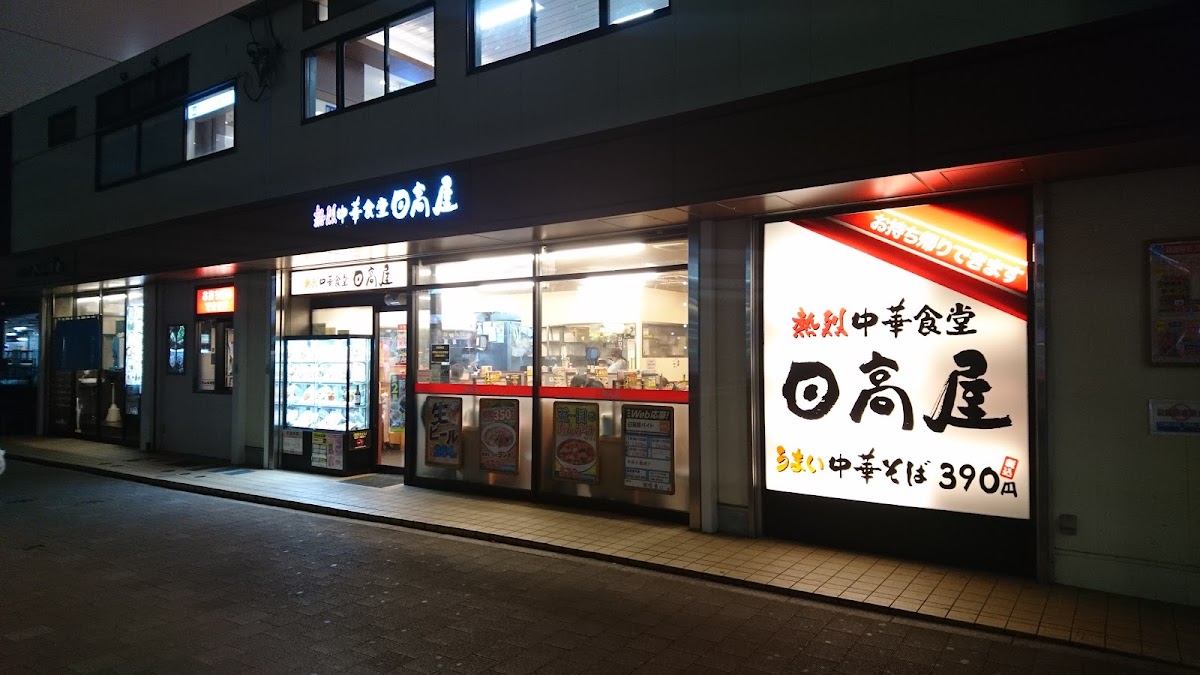
<25年07月> 【物価高の昨今でも「安い早い旨い」健在の希少かつ最強のラーメン居酒屋さん】 ・やきとり(220円)/粗挽きウィンナー(300円)/皮つきポテト(290円)/餃子(300円)/しょうが焼き(620円)/ピリ辛とんこつネギラーメン(680円) 麺大盛(+80円)/黒酢しょうゆ冷し麺(650円)/生ビール(370円)×3/ハイボール(320円) を頂きました。 ・大人2名 子供2名で、〆て約4,500円(大人1人当たり 約1,800円)でした。 ・埼玉県朝霞市。朝霞駅東口の階段を降りてすぐの場所に佇む「日高屋 朝霞東口店」さん。 □□□お店の概要□□□ □営業時間:10:30-26:00(日曜は23:00まで) □定休日 :- □□□□□□□□□□□ ■■■口コミ要約■■■ ◆もはや昭和の居酒屋!200円~300円台のおつまみ多数 ◆お酒もこんなに安くて大丈夫ですか?! ◆物価高の昨今でも「安い早い旨い」健在の希少なお店さん ■■■■■■■■■■■ ・サ活後のサ飲×サ飯として訪問させて頂きましたが、もう最高です。 ・「朝霞サウナ 和(なごみ)」さんとセットで利用させていただきたい最強の中華居酒屋さんでした。 ◆もはや昭和の居酒屋!200円~300円台のおつまみ多数 ・やきとり(220円)/粗挽きウィンナー(300円)/皮つきポテト(290円)/餃子(300円)、と今回注文させて頂いたおつまみ系はすべてが300円以内。 ・今時、こんなお値段でおつまみを中もオンできるお店は少ないですよね。 ・独りのみでも利用しやすいお値段感が嬉しすぎます。 ・しかも、どれも「少なっ」とも「まずっ」ともならない、安定のお味でした。 ◆お酒もこんなに安くて大丈夫ですか?! ・生ビールは370円、ハイボールは320円。 ・え?え??え???本当に大丈夫ですか?!2025年ですよ?!と言いたくなるお値段設定。 ・今時、生ビール1杯でも700円近いお値段のお店さんもある中で、500円どころか、400円を切っている。。。凄すぎやしませんか?! ・「ちょっと1杯」のつもりが、気づけば4杯も頂いてしまっておりました ◆物価高の昨今でも「安い早い旨い」健在の希少なお店さん ・しょうが焼きは単品で620円、ピリ辛とんこつネギラーメンも680円、冷し麺も650円。 ・ラーメンやメインのお食事が、600円前後で頂けるのも驚きが隠せません。 ・それでいて「旨い」。 ・注文後も待たされることなく、比較的すぐに提供されるのです。 ・凄いですよね、もう日常的に「居酒屋」さんを探す際の選択肢に「日高屋」さんはマストで入れさせていただきたくなりました。 ・総じて、満足以外の何物でもないディナー体験でした。 ・お腹も心も満たされて、「もう何も食べれない…」というほどに満腹状態。ほろ酔い状態もいい具合。 ・改めまして、今後も「朝霞サウナ 和(なごみ)」さんとセットで利用させていただきたい最強の中華居酒屋さんでした。ご馳走様でした。 #埼玉グルメ #夕食 #ディナー #サ飯 #サ飲 #朝霞サウナ和 #サ活 #中華 #ラーメン #コスパ抜群 #日高屋 #朝霞東口店 #安いおつまみ #安いお酒 #朝霞ラーメン #朝霞居酒屋 #埼玉居酒屋 #ラーメン居酒屋 #SaitamaGourmet #Dinner #SaunaFood #SaunaDrinking #AsakaSaunaNagomi #SaunaActivity #Chinese #Ramen #GreatValueForMoney #Hidakaya #AsakaEastExitStore #ReasonableSnacks #ReasonableAlcohol #AsakaRamen #AsakaIzakaya #SaitamaIzakaya #RamenIzakaya
Overview
If you ever find yourself near 2 Chome-13-52 Honcho, Asaka, Saitama 351-0011, Japan, and craving something warm, filling, and unmistakably Japanese, Hidakaya Saitama is the kind of place you walk into once and then keep returning to without even thinking about it. I stopped by on a rainy weekday evening after a long commute, and within minutes of sitting down, I understood why this casual Chinese-style diner has such steady foot traffic.
The first thing you notice is the rhythm. Staff move quickly but not frantically. Orders are taken, bowls of ramen arrive steaming, plates of gyoza hit the table with that satisfying sizzle. It feels efficient, yet comfortable. According to Japan’s Ministry of Internal Affairs and Communications, ramen remains one of the most consumed fast-casual meals nationwide, and chains like Hidakaya have built their reputation on consistency and affordability. You can see that philosophy in action here.
The menu is straightforward but surprisingly varied. Classic shoyu ramen is the obvious go-to, with a light soy-based broth that’s savory without being overpowering. The noodles are firm, cooked just right-no sogginess, even during busy hours. I ordered a half-ramen and gyoza set, a combination that regulars seem to favor. The dumplings were crisp on the bottom, juicy inside, and paired perfectly with a simple soy-vinegar dipping sauce. On a previous visit, I tried their fried rice, which had that smoky wok aroma you usually only get from experienced cooks who know how to control high heat properly.
What stands out most is value. In a time when dining costs are rising across Japan, especially in metropolitan areas like Saitama Prefecture, Hidakaya manages to keep prices accessible. A full meal can easily stay under 1,000 yen, which is impressive considering portion sizes. The Japan External Trade Organization has often highlighted how competitive pricing and operational efficiency define successful food chains in Japan, and this diner fits that pattern. The streamlined ordering process, limited but focused menu, and high turnover rate clearly help maintain both speed and quality.
I’ve also noticed how the location in Asaka makes it especially convenient. It’s close to residential neighborhoods and train stations, which explains the mix of customers-students, office workers, even families with kids. During lunch hours, you’ll see solo diners quickly finishing a bowl of tanmen before heading back to work. In the evening, groups linger a little longer over beer and small plates like karaage or stir-fried vegetables. The versatility of the menu supports both quick bites and casual dinners.
From a hygiene and safety perspective, everything appears well managed. Tables are wiped promptly, condiments are organized, and the open kitchen layout allows you to see food preparation in real time. The World Health Organization consistently emphasizes transparency and cleanliness in food service as trust-building factors, and that principle feels visible here. While it’s still a budget-friendly chain, the standards don’t feel compromised.
In terms of flavor profile, Hidakaya leans toward a lighter interpretation of Chinese-inspired Japanese cuisine. The ramen broth isn’t as heavy as tonkotsu styles you’d find in specialty shops, which makes it easier to enjoy regularly. That might explain why many reviews mention it as a reliable everyday option rather than a once-in-a-while indulgence. It’s comfort food without the heaviness.
Of course, it’s not a gourmet, Michelin-starred experience, and it doesn’t try to be. If you’re searching for artisanal noodles or regional ramen experimentation, you might look elsewhere. But if you want dependable taste, quick service, and fair pricing in Saitama, this diner delivers exactly what it promises. The consistency across visits has been my biggest takeaway. Every bowl tastes familiar, every plate arrives hot, and every visit feels uncomplicated.
For anyone exploring restaurants in Asaka or scanning reviews before deciding where to eat, this spot earns its place through reliability. The address is easy to find, the menu is approachable even for first-time visitors to Japan, and the atmosphere makes solo dining completely comfortable. Sometimes that’s exactly what you need-a place where the food speaks plainly, the service moves smoothly, and you leave satisfied without overthinking the experience.
Good to know
Service options
✓ Delivery ✓ Takeaway ✓ Dine-inPopular for
✓ Lunch ✓ Dinner ✓ Solo diningAccessibility
✓ Wheelchair-accessible car park ✓ Wheelchair-accessible entrance ✓ Wheelchair-accessible seatingOfferings
✓ Alcohol ✓ Beer ✓ Quick bite ✓ Small platesDining options
✓ Brunch ✓ Lunch ✓ Dinner ✓ Table serviceAmenities
✓ ToiletCrowd
✓ University studentsPlanning
✓ Accepts reservationsPayments
✓ NFC mobile payments ✓ PayPay ✓ Rakuten PayPhotos
Reviews
駅の階段下にあり、バスロータリー前なので、いつ行っても客が多い。 2名以上だと、待ちの場合もあるが、1名であれば待ち時間なく入店可能。 変な客もいないかな。 時間帯もあるのか、私が行く時間帯は見掛けた事がない。 トイレ周辺の席は、扉の開閉無ければ気にならないが、開閉あると芳香剤の匂いが来るので、トイレ周辺の席はオススメしません。
2024/6/15 特に何を食べるかを決めずにカウンターに着席。メニューを視ながら考えたのですか少し暑かったのでバクダン炒め定食+ご飯大盛りを注文 で、気づいたのですが普段はメニューを置いている仕切りになにやらコンセントが。ひょっとしたらタッチパネルメニュー導入間近なのかなと予想しました。 バクダン炒め定食はいつものピリ辛感が食欲をそそりご飯が予想以上に進むためあえて大盛りを注文 美味しかったです。 2024/5/11 お昼ごはんを求め日高屋へ 今日は天津飯と半ラーメンを注文 天津飯はふわふわ卵にお酢の風味バッチリなアンがかけられてて町中華の天津飯が堪能できると思います。半ラーメンは半といいながらしっかりボリュームありで日高屋のラーメンを手軽に楽しめるお得な一品だと思います。 この組み合わせで¥760とはコスパ良すぎです。 2024/2/10 風邪気味だったので辛いものを求めて日高屋へ 今回はチゲ味噌ラーメンと半チャーハン チゲ味噌ラーメンは辛さのなかに野菜などから抽出された旨味があり美味しかったです。ただ熱いので火傷に注意 チャーハンは日高屋チャーハンファンも多いと思うのでその通りです。 これが期間限定なのは寂しすぎますがまた食べに行きたい! 2023/12/9 久しぶりに日高屋へ 今回はバクダン炒め定食 ほんのりピリ辛な野菜炒めが食欲をそそってゴハンも大盛りをペロリとたいらげるほど美味しかったです。 お酒のお伴にも最適だと思います。 野菜たっぷりタンメンも旨いし、肉野菜炒め定食も野菜不足の体に嬉しいメニューですね。グランドメニューは外れなしだと思います。
店員さんがとても優しかったです!! 私のこだわりで荷物を抱えていたら荷物置き場を用意しましょうか?と声をかけてくれたり、タッチパネルで、まだ未注文のものがありますと出ていたら声をかけてくれたり、、!素敵な店員さん、、! 汁なしラーメンが好きです!また行きます
埼玉県民のソウルフード、中華部門では餃子の満州が推されがちですが、日高屋も埼玉発祥ですね。こちらの店舗は名前の通り朝霞駅東口に隣接しており、反対口からも駅の自由通路で行き来する事ができます。 小さめの店舗ですが席数はそこそこ確保されています。ソロ飲み利用ははじめてでしたが、とにかくリーズナブルです。締めラーまでここで済ませられるので貧乏サラリーマンの財布に優しいお店ですね。 接客に難があるような投稿もありますが、僕が利用した日は若いバイトと思われるホール係りで、みなさんキビキビ働いていました。 コロナ以降、飲食店の閉店時間が軒並み早くなっていますが、こちらは遅くまで営業しており、これも高ポイントだと思います。